Buying Used: Inspection Checklist
Check the paperwork, check the car, then pay a mechanic to check it again. Here's the whole list.
Key Takeaways
- Run the VIN through free government and insurance databases before you even drive the car.
- Read the Buyers Guide sticker on the window. "As Is" means no dealer warranty, period.
- Always get an independent pre-purchase inspection. A seller who won't allow one is telling you something.
Step 1: Check the VIN Before You Go
Ask for the VIN and run it through these. The first three are free.
- Open recalls: NHTSA recall lookup. Unrepaired recalls are fixed free at a franchised dealer of that brand.
- Theft and total-loss records: NICB VINCheck shows insurance-reported theft and salvage records.
- Title brands: An NMVTIS-approved provider can show flood, salvage, junk, or rebuilt brands and odometer records for a small fee.
- Paid history reports (Carfax, AutoCheck) add accident and service records. Consumer Reports has long warned not to treat them as complete: plenty of accidents and repairs never get reported (Consumer Reports).
Step 2: Read the Buyers Guide
Dealers must post an FTC Buyers Guide in every used car they sell. It says whether the car is sold "As Is – No Dealer Warranty" or with a warranty, and what that warranty covers (FTC). A few things to know:
- "As Is" means if it breaks on the way home, it's your problem.
- Promises the salesperson makes out loud mean nothing unless they're written down.
- The Buyers Guide becomes part of your contract. Keep it.
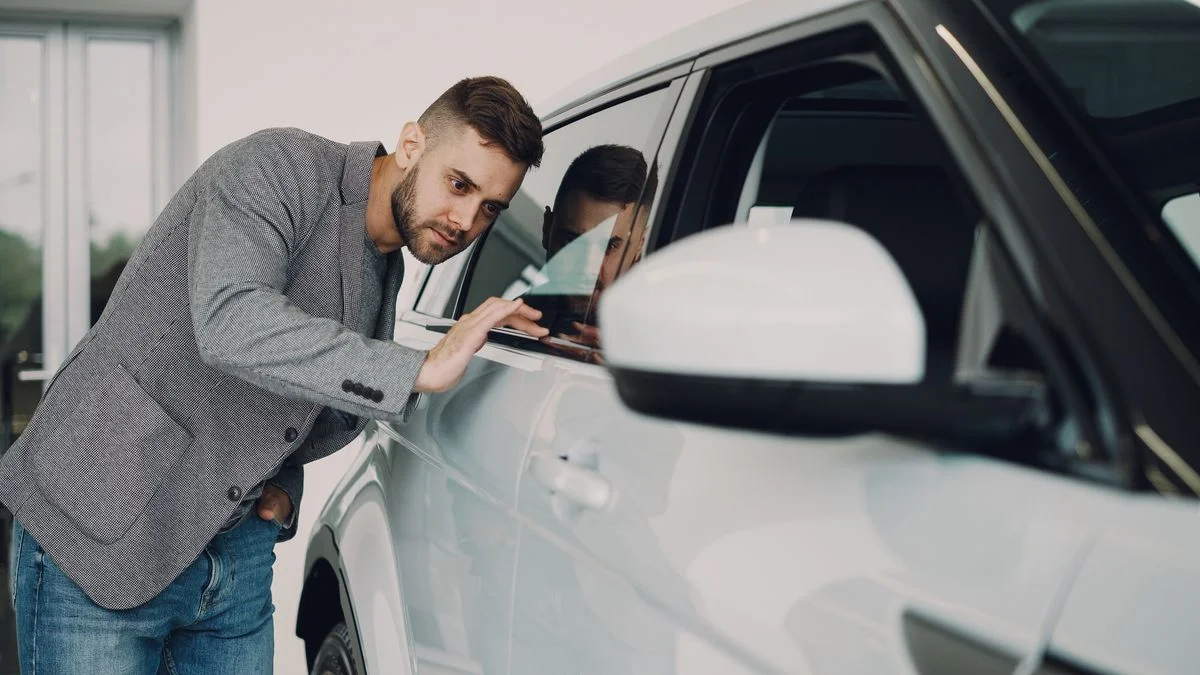
Step 3: Look It Over Yourself
Go in daylight, on a dry day, when the engine is cold. Consumer Reports' advice boils down to the list below (Consumer Reports).
Outside
- Panels line up, with even gaps. Uneven gaps or paint that doesn't quite match can mean body work.
- Rust on the wheel wells, rocker panels, door bottoms, and underneath.
- Tires wear evenly. Uneven wear can point to alignment or suspension problems. Check the tire's DOT date code, too: the last four digits are the week and year it was made (NHTSA).
- Glass free of cracks; all lights work.
Under the Hood
- No fresh leaks or puddles under the car.
- Oil isn't milky or gritty; coolant isn't oily.
- Belts and hoses aren't cracked.
- An engine that's been power-washed spotless on an older car can be hiding leaks. Ask why.
Inside
- Smell for mildew or heavy air freshener (flood and smoke cover-ups).
- Look for silt, rust, or water lines under the carpets and in the trunk well.
- Every button, window, seat, lock, A/C, heat, and screen works.
- Warning lights come on at startup, then go off. A light that never comes on at all may have been disabled.
- Two keys. Replacing a missing fob isn't cheap, so ask for the second one or a price cut.
Step 4: Test Drive Like You Mean It
Consumer Reports recommends a drive of at least 30 minutes that includes city streets, highway, bumps, and hills (Consumer Reports).
- Starts easily from cold.
- Shifts smoothly, no slipping or clunks.
- Tracks straight; steering doesn't pull or shake.
- Brakes don't grind, pulse, or pull.
- No smoke from the tailpipe; no new warning lights.
- Listen with the radio off.
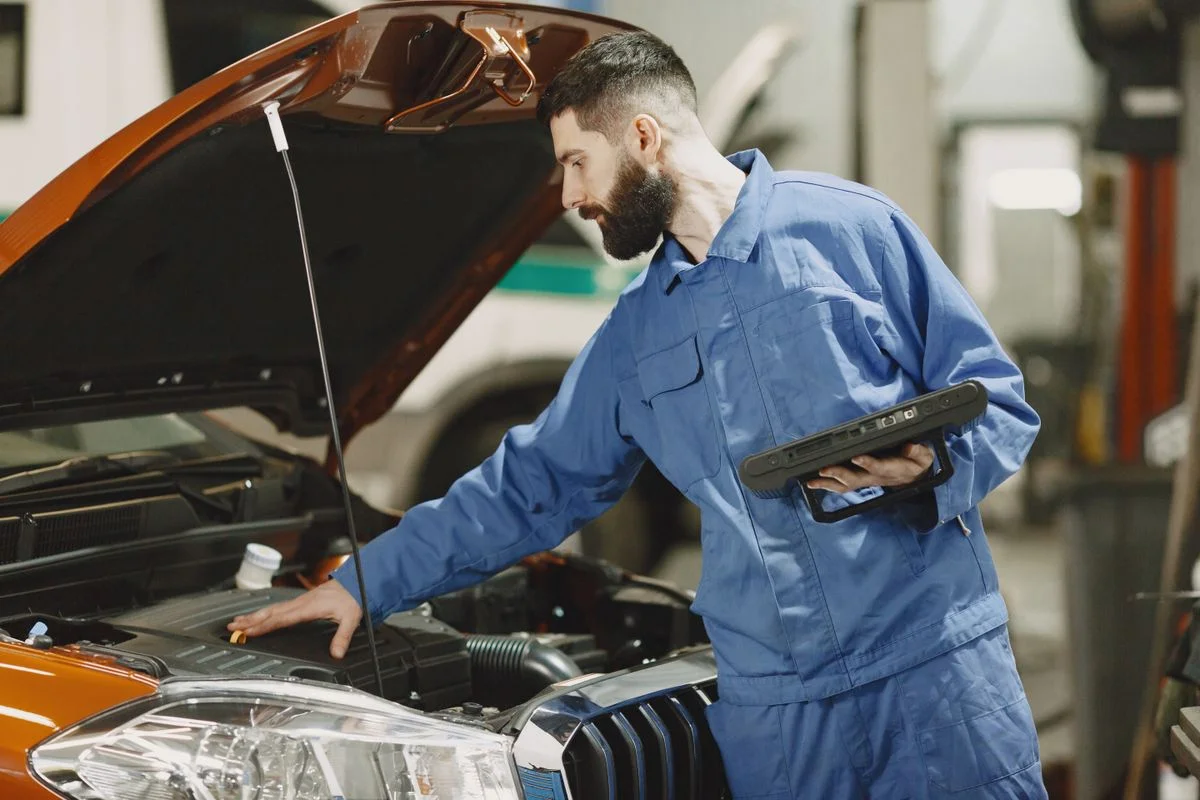
Step 5: Get a Pre-Purchase Inspection
An independent mechanic puts the car on a lift and looks at what you can't. Cars.com puts typical costs around $100 to $150, and some shops charge more (Cars.com). The FTC suggests asking the dealer to allow an inspection on or off the lot (FTC). If the dealer won't let the car leave, a mobile inspector can come to the lot.
Script: Asking for an Inspection
"I like the car. Before I buy, I'd like an independent pre-purchase inspection at [shop], at my cost. I can have it back within two hours, or I can have a mobile inspector come to you. Which works better?"
Certified Pre-Owned: Worth It?
A manufacturer CPO car comes with an inspection and an extended factory warranty, and usually costs more than the same car without certification. Treat the CPO checklist as a starting point, not a replacement for your own inspection.
Printable Checklist
- Recall check (NHTSA)
- Theft and salvage check (NICB)
- Title brand check (NMVTIS)
- History report reviewed, gaps noted
- Buyers Guide read and kept
- Walkaround: body, rust, tires, glass, lights
- Under hood: leaks, fluids, belts
- Interior: smells, water signs, every feature works, two keys
- 30-minute test drive, city and highway
- Asked to see the dealer's repair work order
- Independent pre-purchase inspection, written report
- Out-the-door price in writing
Sources
- FTC, Used Car Buyers Guide: https://search.ftc.gov/system/files/documents/plain-language/pdf-0083-buyers-guide.pdf
- NHTSA, Check for Recalls: https://www.nhtsa.gov/recalls
- NHTSA, TireWise: https://www.nhtsa.gov/vehicle-safety/tires
- 49 CFR 574.5, tire identification (date code): https://www.law.cornell.edu/cfr/text/49/574.5
- NICB, VINCheck: https://www.nicb.com/vincheck
- NMVTIS, Research Vehicle History: https://vehiclehistory.bja.ojp.gov/nmvtis_vehiclehistory
- Consumer Reports, How to Inspect a Used Car: https://www.consumerreports.org/cars/how-to-inspect-a-used-car-a1377126659/
- Consumer Reports, How to Buy a Used Car: https://www.consumerreports.org/cars/buying-a-car/how-to-buy-a-used-car-a5221672417/
- Consumer Reports, Don't Rely on Used-Car History Reports: https://www.consumerreports.org/media-room/press-releases/2009/06/consumer-reports-dont-rely-on-used-car-history-reports/
- Cars.com, Best Ways to Get a Used Vehicle Inspected: https://www.cars.com/articles/here-are-the-best-ways-to-get-a-used-vehicle-inspected-525355/
- Washington State AG, Buying Precautions: https://www.atg.wa.gov/buying-precautions-used-car-considerations
- r/whatcarshouldIbuy, dealer refusing inspection: https://www.reddit.com/r/whatcarshouldIbuy/comments/1c6ny4v/mazda_dealer_refusing_pre_purchase_inspection/